louis fitzgerald

.png)
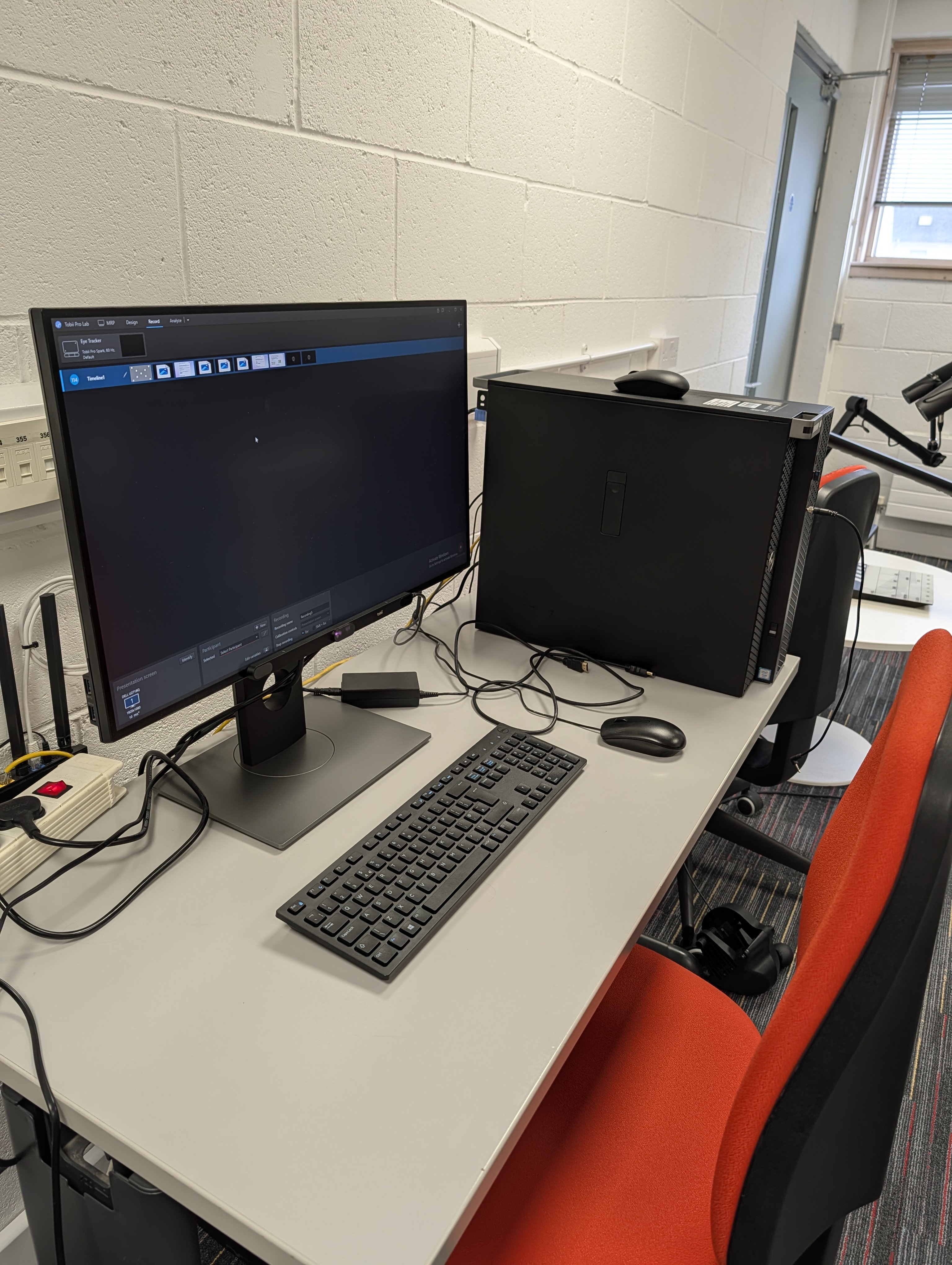

Privacy behavior is a complex and multifaceted behavior research shows it is influenced by many factors most importantly privacy concerns and demographics and trust. Despite these factors there exists a paradox, The “privacy paradox” refers to the disconnect between an individual's disposition toward privacy and their actual privacy behaviour. Most research on the privacy paradox focuses on marketing and ecommerce or social media.The research examines a phone or web based experience typically using qualitative approach and self repost data into how an user reads items of services or discoloses information. However not a single paper examined the paradox in an academic setting. Informed consent is the bedrock of ethical research. A conservative estimate puts the number of consent forms used in IADT each year at 4,500. Understanding how people read information sheets and consent forms and identify if this paradox is present is highly important.
In order to strengthen previous research this study used deception to reduce the Hawthorne effect , which states that if participants know what they are being studied for, they may change their behaviour. Participants were told the study was examining how they played the puzzle game Worlde, however an eye tracker was used to monitor how they read the information sheet and consent form. This deception allowed the researcher to examine behaviour in a real lab setting.The study examined whether Privacy concerns scales (Collection, Control, Awareness), Privacy Fatigue scales (Emotional exhaustion, Cynicism ), Cookie selection (accept , reject , preferences) correlated with participants' reading duration of the information sheet and consent forms.
Results show that none of these factors correlated with reading duration. Participants reported high privacy concerns and privacy fatigue, yet this had no impact on how they read the information sheet and consent forms.114 participants were recruited from IADT. When examining their data, it was found that participants only spent 47 seconds reading the information sheet, and this data was highly skewed, with very few spending more time reading the forms. The results also note a decrease in duration as they progressed from page to page; both of these results indicate a lack of reading of the information sheet. While the study examined eye tracking to provide quantitative data that previous literature lacked, it fails to account for comprehension, instead examining scan paths which may represent skimming and not true reading.These results show the presence of the privacy paradox in an academic research setting, supporting the theory that privacy behaviour is based on habits and mental shortcuts rather than a rational risk assessment. The findings highlight participants' lack of reading information sheets and the issues around gaining true informed consent.
.svg)
Lorem ipsum dolor sit amet, consectetur adipiscing elit. Suspendisse varius enim in eros elementum tristique. Duis cursus, mi quis viverra ornare, eros dolor interdum nulla, ut commodo diam libero vitae erat. Aenean faucibus nibh et justo cursus id rutrum lorem imperdiet. Nunc ut sem vitae risus tristique posuere.

Lorem ipsum dolor sit amet, consectetur adipiscing elit. Suspendisse varius enim in eros elementum tristique. Duis cursus, mi quis viverra ornare, eros dolor interdum nulla, ut commodo diam libero vitae erat. Aenean faucibus nibh et justo cursus id rutrum lorem imperdiet. Nunc ut sem vitae risus tristique posuere.

Lorem ipsum dolor sit amet, consectetur adipiscing elit. Suspendisse varius enim in eros elementum tristique. Duis cursus, mi quis viverra ornare, eros dolor interdum nulla, ut commodo diam libero vitae erat. Aenean faucibus nibh et justo cursus id rutrum lorem imperdiet. Nunc ut sem vitae risus tristique posuere.
.png)
